In the global business events industry, impressive architecture and large event spaces may attract attention, but they are not enough to secure international conferences and exhibitions. True competitiveness is built on accessibility, operational excellence, technology, partnerships and the experience delivered beyond the venue.
A modern convention centre can be an impressive landmark. It may have expansive exhibition halls, elegant conference rooms, advanced lighting systems and the capacity to accommodate thousands of delegates. But in an increasingly competitive MICE industry, these features alone do not guarantee success.
International event organisers have choices. They consider not only the venue itself, but also how easily delegates can reach it, the quality of services available, the reliability of its infrastructure and the overall experience the destination can offer.
This raises an important question: what actually makes a convention centre competitive in the international MICE market?
It Starts with More Than Infrastructure
Infrastructure remains the foundation of any successful convention centre. Flexible meeting rooms, exhibition halls, reliable utilities, appropriate loading facilities, good acoustics and sufficient space for different event formats are essential.
However, the needs of event organisers are changing. A venue must be able to accommodate different types of events, from international association congresses and corporate meetings to large exhibitions and product launches.
Flexibility is particularly important. Organisers increasingly need spaces that can be adapted to different layouts, audience sizes and technical requirements without compromising the event experience.
Industry Data
The 2025 AIPC Member Survey, which gathered responses from 73 convention centre members worldwide, identified competition as the leading marketing challenge for centres. It also highlighted pressure from rising costs, hotel rates and the need for continued investment in technology and infrastructure. These findings reflect an industry where simply having a venue is no longer enough.
Source: AIPC, 2025 Member Survey
Accessibility Can Determine the Outcome
A convention centre may offer exceptional facilities, but if delegates struggle to reach it, the destination becomes less attractive.
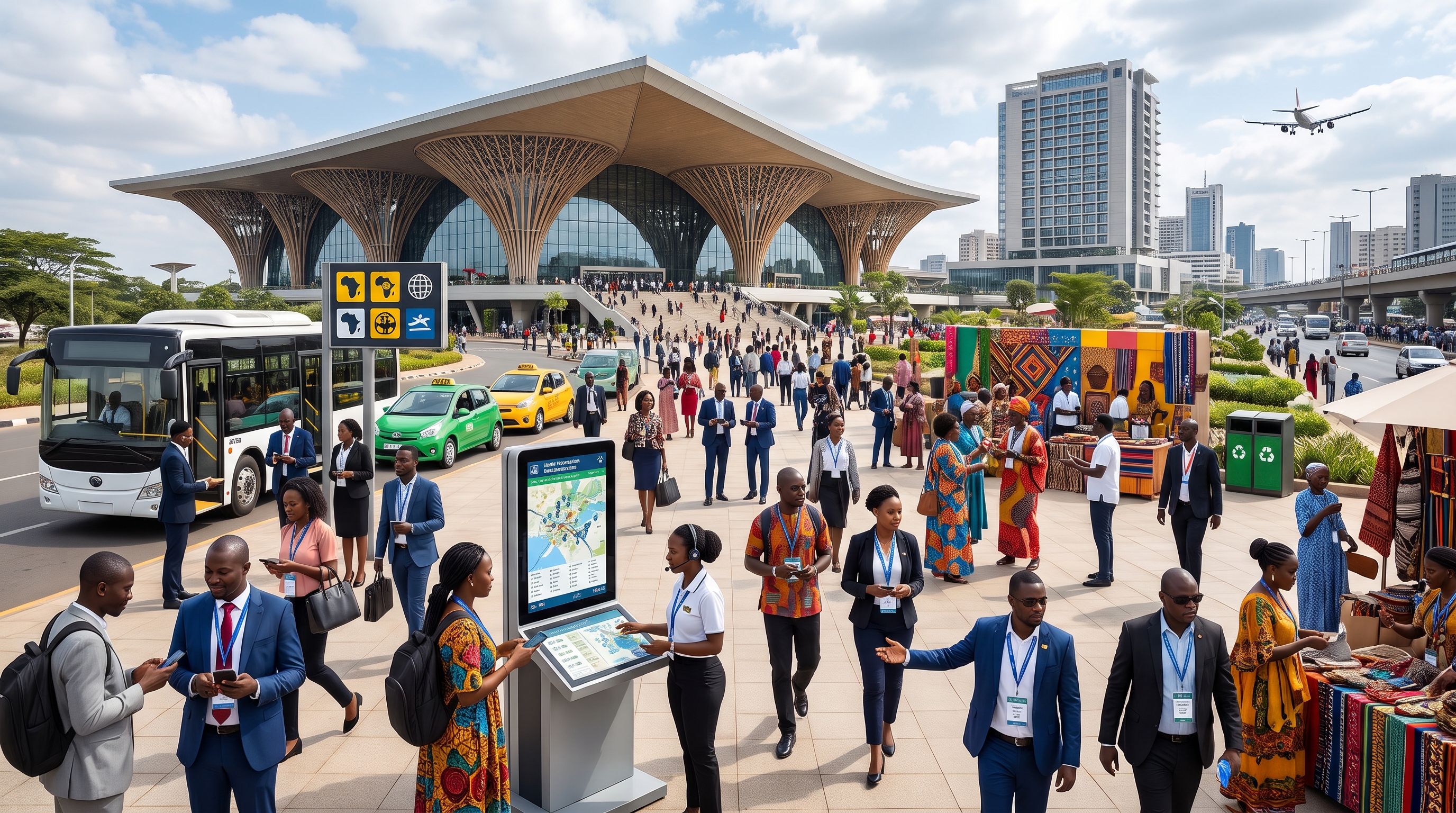
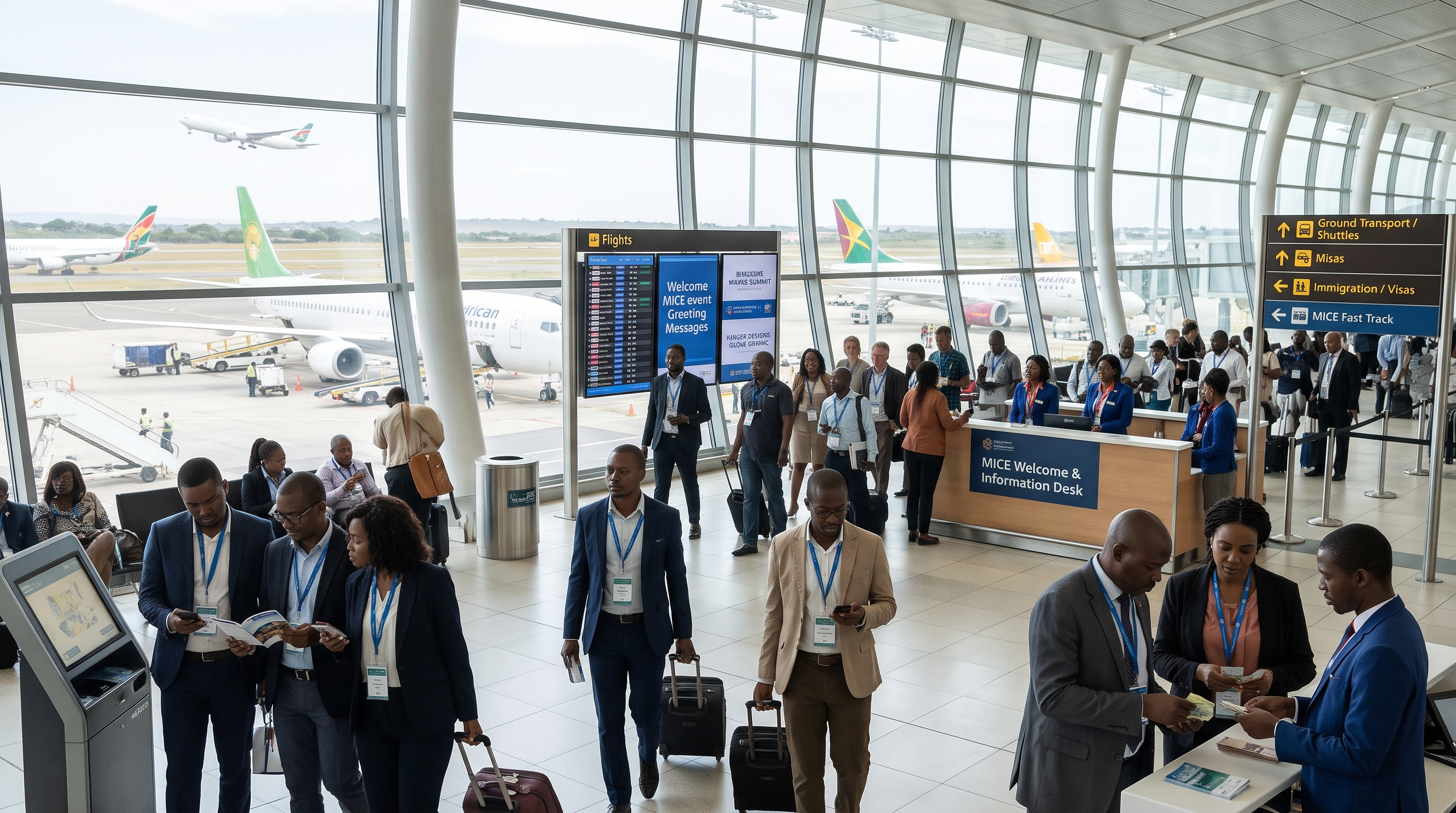
International air connectivity, convenient flight schedules, visa processes, airport services and reliable ground transportation all influence an organiser's decision. The distance between an airport, hotels and the convention centre can significantly affect the delegate experience.
Accessibility also extends beyond international travel. Delegates need efficient movement within the destination, clear directions, accessible facilities and reliable transport options.
For this reason, convention centres should work closely with airports, airlines, transport providers, tourism authorities and destination marketing organisations. These relationships help turn a venue into part of a coordinated destination offering.
Technology Is Now Part of the Core Experience
Technology is no longer an optional addition to a convention centre. It is central to how modern events are planned, managed and experienced.
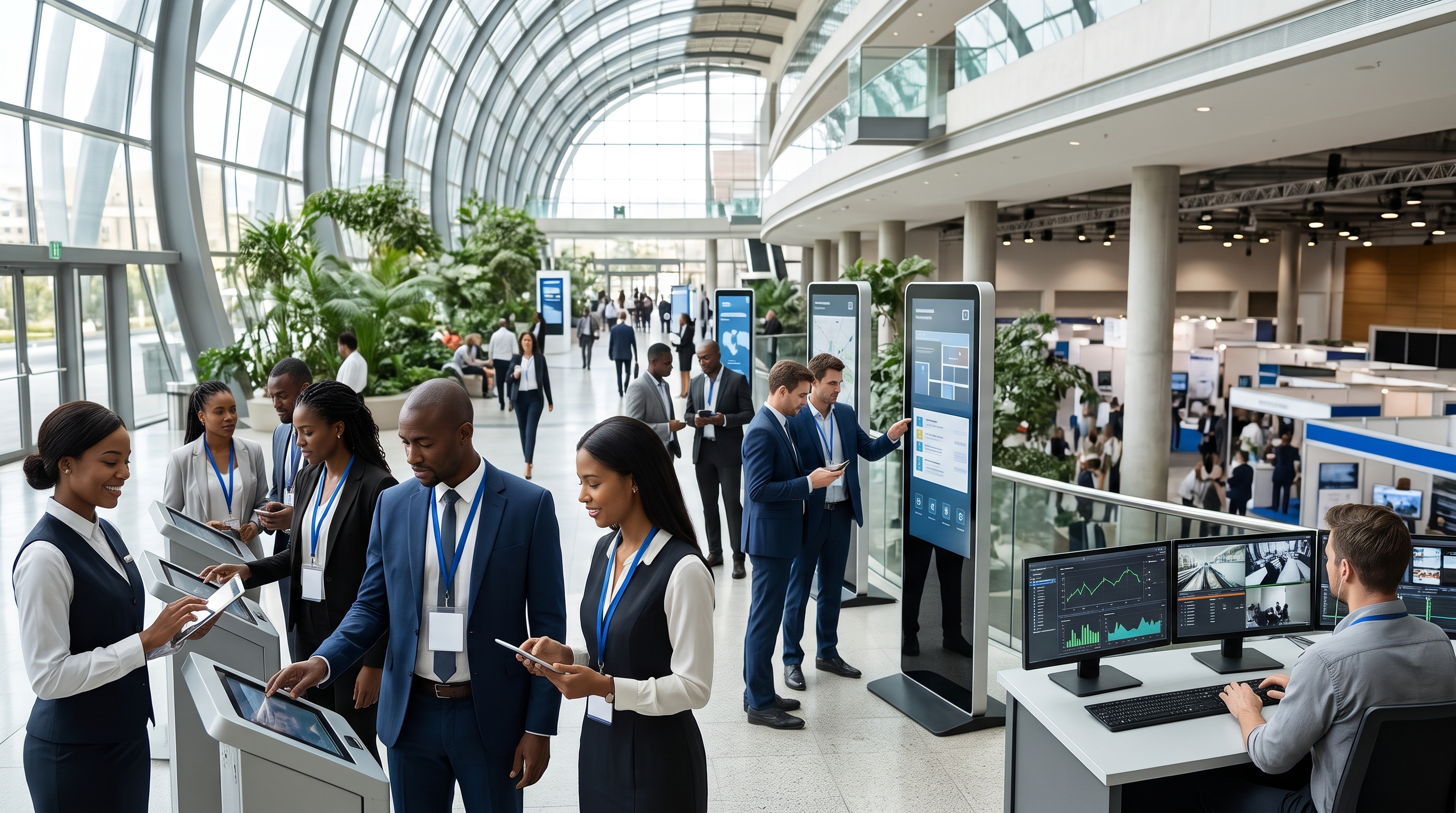
Organisers expect reliable high-speed internet, modern audiovisual systems, integrated registration capabilities, digital signage and technical support that can respond quickly when issues arise.
Hybrid and digitally supported events have also expanded expectations. Even when an event is primarily in person, organisers may need live streaming, remote participation, digital networking, audience engagement tools and real-time event information.
The important distinction is between having technology and knowing how to use it effectively. A venue can invest in sophisticated equipment, but its real value depends on reliability, integration and the people managing it.
Technology should make event delivery easier, not introduce additional complexity.
Service Delivery Makes the Difference
Behind every successful event is a team that understands the demands of event production.
From the first enquiry to the final breakdown, organisers need clear communication, accurate information, timely quotations and a team capable of responding to changing requirements.
This includes event coordination, technical operations, security, cleaning, catering, logistics and facilities management. Each department contributes to the overall experience.
A convention centre should also understand the pressures organisers face, including budgets, tight schedules, sponsor expectations and delegate satisfaction. A responsive venue team can make a significant difference when unexpected challenges arise.
International competitiveness is therefore not only about the quality of the building. It is also about the quality and consistency of the people and systems behind it.
Sustainability and Accessibility Are Business Priorities
Sustainability is increasingly influencing how international events are planned and delivered. Organisers are paying greater attention to energy consumption, waste management, water use, responsible sourcing and the environmental impact of events.
Convention centres have an opportunity to demonstrate measurable progress through efficient building systems, waste reduction programmes, responsible procurement and transparent sustainability practices.
Accessibility deserves the same attention. Facilities should accommodate delegates with different mobility, sensory and other access requirements. This means considering accessible entrances, lifts, seating, washrooms, signage and support services from the design stage onwards.
These are not simply additional features. They are part of delivering a venue that can welcome a wider international audience.
A Competitive Convention Centre Needs a Competitive Destination
Perhaps the most important factor is what happens beyond the convention centre's doors.
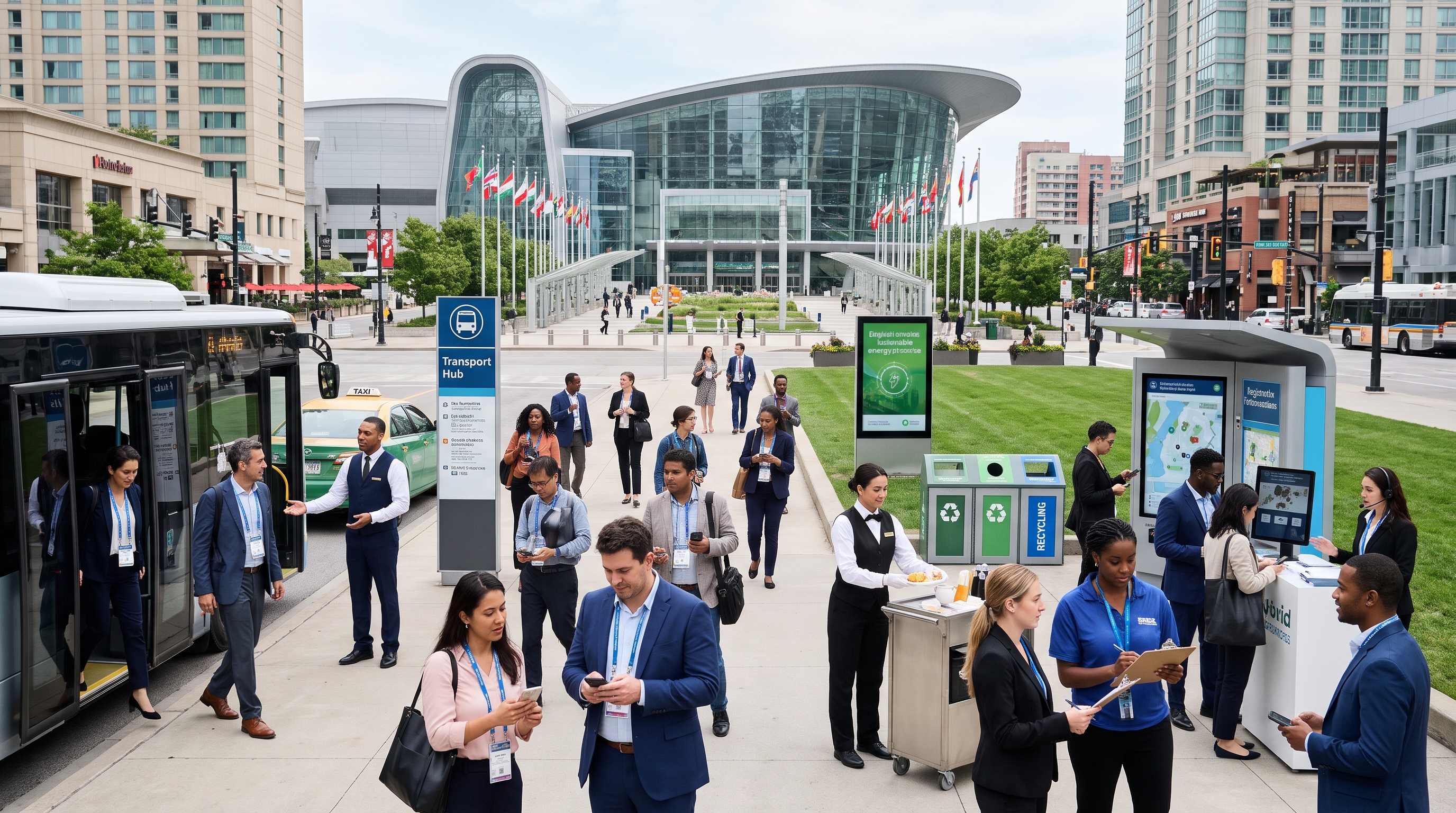
International delegates need accommodation, restaurants, transport, entertainment, business services and opportunities to experience the destination. Event organisers may also need support with local suppliers, cultural programmes, site visits and additional activities.
This makes collaboration essential.
Convention centres, hotels, professional conference organisers, destination management companies, tourism boards, government agencies and event technology providers should work together to present a coordinated offering.
Africa's Opportunity: Competing Through Coordination
Across Africa, investment in hotels, convention facilities, transport infrastructure and business tourism is creating opportunities for the continent to attract more international events.
However, the opportunity is not simply to build more convention centres. It is to ensure that existing and emerging facilities are supported by the services, skills, connectivity and partnerships required to compete internationally.
African destinations can strengthen their position by developing stronger convention bureau structures, improving international access, investing in event technology and building closer relationships between public and private sector stakeholders.
There is also an opportunity to differentiate through the continent's cultural diversity, business opportunities, natural attractions and unique destination experiences. These strengths can add value to an event beyond the conference programme itself.
But differentiation must be supported by reliable delivery. A compelling destination story can attract interest; consistent service and operational excellence are what encourage organisers to return.
The Real Measure of Competitiveness
A convention centre's success should not be measured only by its size, appearance or number of events hosted. Other indicators matter: repeat bookings, international event acquisition, organiser satisfaction, delegate experience, operational efficiency and the wider economic contribution generated by events.
The most competitive venues understand that every event is an opportunity to build relationships, strengthen their reputation and demonstrate what their destination can deliver.
Ultimately, the question is not simply whether a convention centre has the capacity to host an international event. It is whether it can make the entire experience seamless, reliable and valuable for everyone involved.
The future of competitive convention centres will belong not just to those with the most impressive buildings, but to those that understand how to turn infrastructure into experiences, partnerships and lasting business opportunities.