
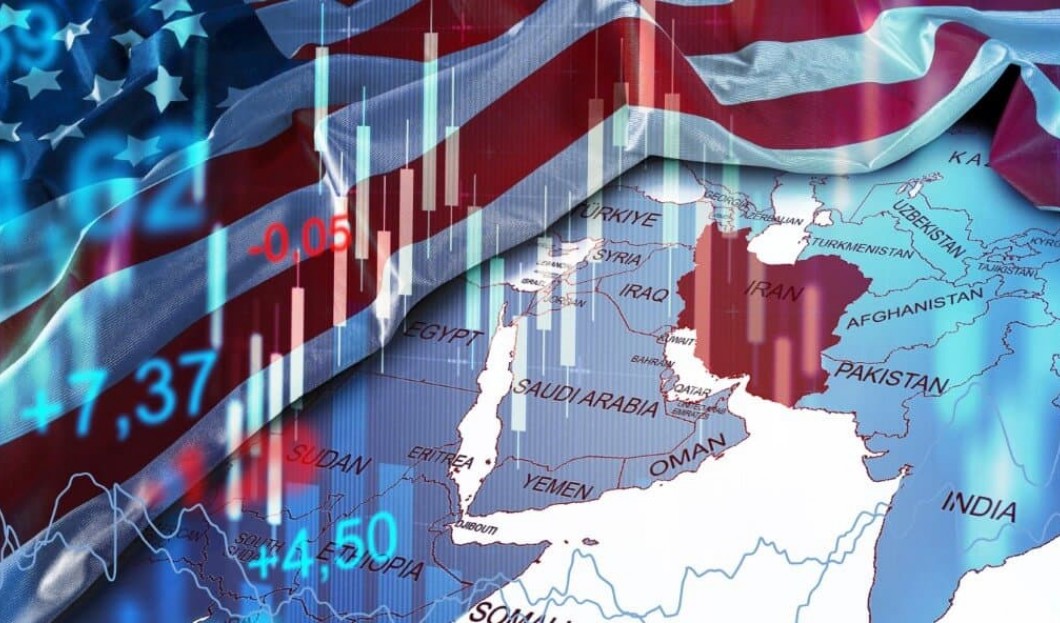
The Middle East conflict has triggered far-reaching economic shocks, with the travel sector among the hardest hit
The ongoing conflict in the Middle East, particularly involving Iran and key global powers—is no longer just a geopolitical issue. It has triggered a far-reaching economic shock that is being felt across industries worldwide, with the travel sector among the hardest hit. At the center of this disruption lies one critical factor: energy.
The Middle East is a major supplier of global oil, with about 20% of the world's oil passing through the Strait of Hormuz. Disruptions in this region have caused oil prices to surge sharply, with some increases exceeding 60% since the conflict escalated.
For Airlines:
For Travelers:
The war has also led to airspace closures across parts of the Middle East, a region that connects major global travel routes between Europe, Asia, and Africa.
This has caused:
Airlines across Europe, Asia, and North America have already scaled back operations, with some routes suspended entirely due to high fuel costs and operational risks. For travelers, this means fewer options, longer journeys, and less predictable travel schedules.
As travel becomes more expensive, demand is beginning to soften, especially among price-sensitive travelers. Research shows that rising fuel costs are already slowing global air travel demand, forcing travelers to reconsider long-haul trips, and shifting preference toward shorter, regional travel. This has a ripple effect across tourism-dependent economies, particularly those relying on international arrivals.
The impact is not limited to flights. The conflict has also disrupted maritime travel and logistics:
Cruise Operations
Suspended or rerouted in the Gulf region, with thousands of passengers stranded due to blocked routes.
Shipping Delays
Increasing the cost of goods and tourism services, costs that are ultimately passed on to travelers.
Higher fuel prices are driving broader inflation across economies. Transportation, food, and accommodation costs are rising simultaneously, making travel more expensive overall.
Globally, the crisis has led to increased transport and logistics costs, higher food prices due to supply chain disruptions, and reduced disposable income for travelers. For tourists, this means that even once they arrive at a destination, the cost of experiences—from safaris to city tours—is significantly higher than before.
The effects of the war are not expected to be short-lived. Analysts warn that travel disruptions could persist for months or even years. Airlines may permanently restructure routes and pricing models, and the industry may accelerate shifts toward sustainability and alternative energy.
The Middle East conflict has exposed just how interconnected the travel industry is with global energy systems.
What begins as a regional geopolitical crisis quickly translates into higher costs, reduced connectivity, and shifting travel behavior worldwide.
Read more →
Get global travel and MICE insights delivered to your inbox